
Want to Live Longer? Eat More Beans!
As well as being affordable, versatile, and delicious, beans are strongly linked with longer, healthier lives.
NUTRITIONGUT HEALTH
Louise Chamberlain Nutrition
1/8/20262 min read

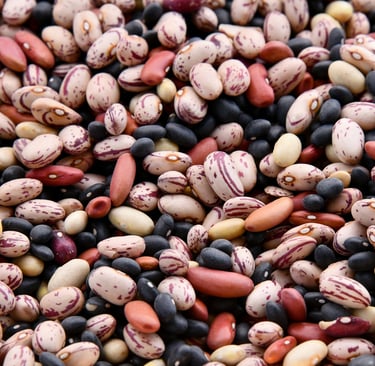
Beans are affordable, versatile, and delicious, but beyond being pantry staples, beans (including lentils, chickpeas, peas, soybeans, and all their legume cousins) are strongly linked with longer, healthier lives. When examining the world’s longest-lived populations, particularly the “Blue Zones,” beans emerge as a common dietary thread. Populations with high legume intake tend to show lower rates of heart disease, cancer, and age-related illnesses. In this post, we’ll explore that connection and offer practical ways to enjoy more beans every day.
A thriving gut microbiome is a cornerstone of overall health. The fibre in beans acts as prebiotics - food for beneficial gut bacteria. A diverse microbiome supports immune function, mood regulation, and brain health.
What’s Special About Beans?
Beans are nutrient powerhouses. They provide:
Protein: Essential for maintaining muscle mass, especially as we age.
Fibre: A high-fibre diet supports digestion, lowers cholesterol, and helps regulate blood sugar.
Micronutrients: Iron, magnesium, potassium, folate, and B vitamins.
Phytonutrients and antioxidants: Compounds that protect cells from oxidative stress.
This combination helps support healthy aging, weight management, and metabolic wellbeing.
What Are Blue Zones?
Blue Zones are regions where people live significantly longer and healthier lives than the global average. The concept comes from longevity researcher Dan Buettner and the National Geographic Blue Zones Project, which identified five areas with unusually high numbers of centenarians and low rates of chronic disease. Beans are a staple in nearly all of these regions.
Heart disease is the leading cause of death worldwide, but bean consumption is consistently linked with heart health benefits:
Cholesterol lowering: Soluble fibre in beans helps reduce LDL (“bad”) cholesterol.
Blood pressure: Potassium supports healthy blood pressure levels.
Inflammation: Beans’ phytonutrients have anti-inflammatory effects.
A landmark review published in the American Journal of Clinical Nutrition found that consuming legumes regularly is associated with lower risk of coronary heart disease and type 2 diabetes.
Tips for Digestive Comfort
If you’re new to eating beans, they can cause gas or bloating. You can avoid this by giving your gut time to adjust. Start small and increase portions gradually.
Rinse canned beans to remove excess sodium and sugars.
Soak dried beans overnight and discard the soaking water before cooking — this can reduce gas-forming compounds.
Pair with herbs like ginger, cumin, and fennel, which can aid digestion.
Beans have a low glycemic index, meaning they don’t spike blood sugar after eating. For people with (or at risk for) diabetes, this is incredibly valuable. The fibre and protein in beans slow digestion and improve insulin sensitivity. That’s part of why Blue Zone populations tend to have lower rates of metabolic diseases.
Everyday Ways to Enjoy More Beans
Here are some simple, satisfying ways to incorporate beans into your meals:
Legume-based salads (e.g., lentil salad with lemon and parsley)
Add beans to soups and stews
Add chickpeas or lentils to curries
Beans make great snacks too:
Roasted chickpeas with spices
Edamame beans sprinkled with sea salt
Hummus with veggie sticks
Bean dips with crackers
Beans are nutritional superstars. They’re affordable, versatile, and packed with health-promoting compounds. The fact that beans appear consistently in the diets of the world’s longest-lived populations isn’t a coincidence. If you’re looking to nourish your body while improving long-term health, making beans a regular part of your meals is a delicious, evidence-backed choice.
Louise Chamberlain Nutrition © 2025. All rights reserved.