The Importance of Vitamin C: Nurturing Your Health Naturally
Vitamin C, or ascorbic acid, is one of the best-known vitamins, yet many people underestimate just how important it is for overall health. In this guide, I’ll walk you through the latest science behind vitamin C, how farming practices have changed what ends up on our plates, which tasty foods are best for topping up your levels, and how to choose a supplement if you feel you might need one.
NUTRITIONHEALTH & WELLBEING
Louise Chamberlain Nutrition
6/3/20264 min read
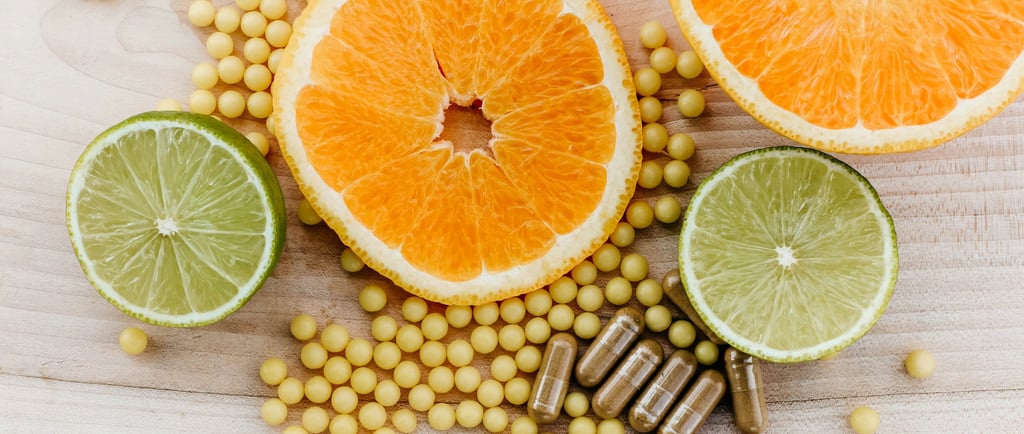
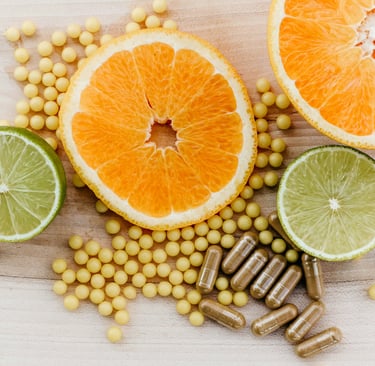
Vitamin C plays a vital role in immune function, skin health, wound healing, iron absorption, and protection against oxidative stress. It is an essential nutrient, meaning our bodies cannot produce it, so we need to obtain it through food or supplements.
While severe deficiency is rare in developed countries, suboptimal intake is surprisingly common, particularly among people who eat few fruits and vegetables, smoke, experience chronic stress, or follow restrictive diets. It can sometimes be tricky to get enough through our modern diets and food choices.
Vitamin C: What It Does and Why You Need It
Vitamin C is involved in hundreds of biological processes throughout the body. It’s a powerful antioxidant, which means it helps guard your cells from daily wear and tear. This protection is linked to a lower risk of chronic illnesses, including heart disease and certain types of cancer. Vitamin C is also essential for making collagen, a protein that keeps your skin, cartilage, bones, and blood vessels healthy and strong. Research shows that getting enough vitamin C can help reduce the length and severity of colds, speed up healing, and help your body absorb iron from plant foods. The European Food Safety Authority (EFSA) research supports these health benefits, especially for keeping your immune system in good shape and reducing fatigue. Think of vitamin C as a daily boost, keeping you energised and resilient.
The Impact of Modern Farming
Today’s farming methods are focused on growing lots of crops quickly and making them look appealing. However, this can sometimes mean that foods have fewer nutrients than they did in the past. Intensive farming, using artificial fertilisers, and growing the same crop in the same fields can leave the soil – and the food – less rich in vitamins like vitamin C. On top of this, storing and transporting fruit and vegetables for long periods can further reduce their vitamin C content, as it’s sensitive to heat, air, and light. So the foods we buy today may not always be as packed with vitamin C as those harvested a few generations ago. But with some know-how, it’s easy to make smart choices for your health.
The Best Foods to Enjoy for Vitamin C
The good news is that there are many delicious ways to get your daily dose of vitamin C. Citrus fruits – think oranges, lemons, and grapefruits – are classic choices. A medium orange, for example, has about 70 milligrams of vitamin C, which gets you close to what you need each day.
If you fancy something different, try kiwi, strawberries, guava, or blackcurrants. When it comes to vegetables, red and green peppers, broccoli, Brussels sprouts, and kale are all great sources of vitamin C. A serving of raw red pepper, for example, can contain more than 100 milligrams. For the most benefit, try to enjoy your fruits and veggies raw or only lightly cooked, as vitamin C can be lost during cooking. Mixing up your choices keeps meals interesting and your vitamin C levels topped up naturally.
When Supplements Can Help: Choosing the Right Vitamin C Supplement
For most people, a varied diet rich in fruit and vegetables can provide all the vitamin C the body needs. However, there are situations where supplementation may be beneficial. Smokers, for example, have higher vitamin C requirements because smoking increases oxidative stress and depletes vitamin C stores. People recovering from surgery, injury, burns, or infections may also have increased needs. Individuals with restrictive diets, poor appetite, digestive disorders that affect nutrient absorption, or limited access to fresh produce may struggle to meet their requirements through food alone.
Vitamin C supplements are available in several forms, including tablets, capsules, powders, chewables, gummies, and effervescent drinks. The most common form is ascorbic acid, which is well absorbed and has been extensively studied.
Some people find that high doses of ascorbic acid cause stomach discomfort, heartburn, or diarrhoea. In these cases, buffered forms such as sodium ascorbate or calcium ascorbate may be gentler on the digestive system. You may also come across liposomal vitamin C, where the vitamin is enclosed within tiny fat-like particles. This form is typically more expensive but may be better absorbed.
Many supplements also contain citrus bioflavonoids, naturally occurring plant compounds found alongside vitamin C in fruits and vegetables. Some studies suggest that adding bioflavonoids may increase the bioavailability of vitamin C by up to 35%.
When choosing a supplement, look for products that have been independently tested for quality and purity by reputable third-party organisations. In the UK and Europe, choosing a well-established manufacturer that follows Good Manufacturing Practice (GMP) standards can provide additional reassurance. For general health, a daily supplement providing 80-200 mg of vitamin C is usually sufficient to complement a healthy diet. Higher doses are not necessarily better. The body tightly regulates vitamin C absorption, and excess amounts are excreted in the urine. Regularly taking more than 1,000 mg per day may increase the risk of digestive upset in some people, and very high intakes have been linked to an increased risk of kidney stones in susceptible individuals.
Remember that supplements are intended to supplement, not replace, a nutrient-rich diet. Whole fruits and vegetables provide fibre, polyphenols, carotenoids, and thousands of other beneficial compounds that work together to support health in ways that a supplement cannot fully replicate.
Bringing It All Together: Simple Tips for Everyday Wellness
Vitamin C is essential for keeping you feeling your best. It supports your immune system, helps your skin and body heal, and keeps you energised. Filling your plate with a variety of fresh, colourful fruits and vegetables is one of the easiest ways to stay healthy. Try to enjoy produce raw or lightly cooked, and add in a supplement if you need a little extra help.
If you'd like more support on your journey to better health and wellbeing, I'd love to hear from you.
Louise Chamberlain Nutrition © 2025. All rights reserved.