
The Benefits of Exercise: Why Moving More (Naturally) Matters More Than You Think
Nutrition is the keystone of a healthy lifestyle but you can’t reach optimum health without moving your body.
HEALTH & WELLBEING
Louise Chamberlain Nutrition
1/9/20263 min read
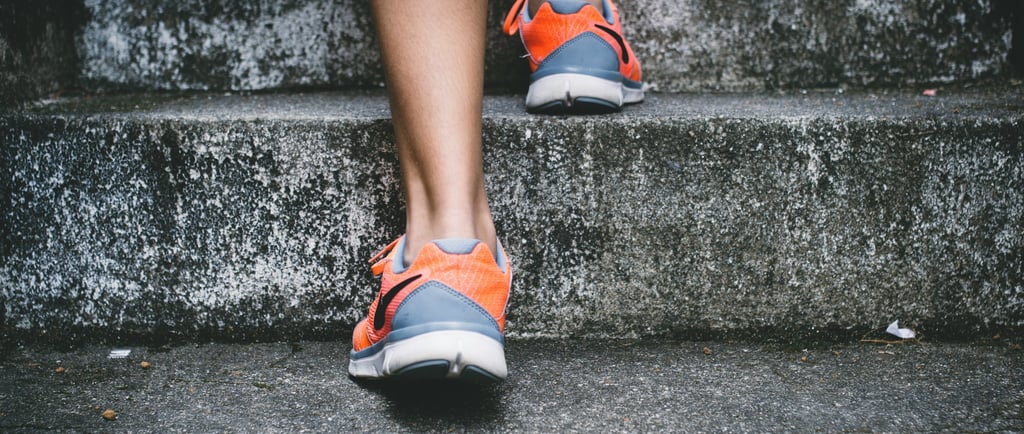
When we widen our definition of exercise, it becomes much easier to be consistent. Instead of asking, “When can I fit in a workout?”, a more helpful question is “How can I move more in my daily life?”.
Here are a few simple examples:
Doing calf raises or squats while brushing your teeth
Stretching as soon as you wake up
Doing lunges while waiting for the kettle to boil
Taking the stairs instead of the lift
Walking around during phone calls
Parking further away from the entrance
Standing up and moving for two minutes every time you finish a task
The Power of Daily Movement
Daily movement is one of the most underrated health tools available to us. Our bodies are designed to move frequently throughout the day, not just in one short burst. Long periods of sitting can negatively affect circulation, blood sugar regulation, joint stiffness, and energy levels, even if you exercise several times a week.
We live in a world where movement has become something we have to schedule. Our lives are sedentary. How many people drive to the gym after sitting for eight hours in front of a computer? How about cycling home from work instead? Some people set their alarms early and drag themselves out of bed to fit in a gym session before work. If you’re skipping sleep to fit in a workout, you’re potentially cancelling out the health benefits.
Why Exercise Is So Important
Exercise is often marketed as a tool for weight loss, but its benefits go far beyond the number on the scales.
Regular movement supports:
Heart health by improving circulation, lowering blood pressure, and reducing the risk of cardiovascular disease
Muscle and bone strength, helping to prevent injuries, maintain mobility, and protect against osteoporosis
Metabolic health, including better blood sugar regulation and insulin sensitivity
Mental wellbeing, with well-documented benefits for stress reduction, mood, anxiety, and symptoms of depression
Energy levels, paradoxically helping you feel less tired, not more
Long-term independence, especially as we age, by keeping us strong, balanced, and mobile
Nutrition is the keystone of a healthy lifestyle but you can’t reach optimum health without moving your body. If you're someone who already exercises regularly and enjoys how it makes you feel, that's great. But for many people, exercise is just another thing to add to the "to-do" list. The good news is that you can reap the benefits of exercise just by moving more often, more naturally, and in ways that fit into your life.
You Don’t Need to “Exercise” to Be Active
One of the biggest barriers to movement is the belief that it has to be formal, intense, or time-consuming to “count”. But movement is movement. Walking, gardening, dancing in the kitchen, playing with your children, climbing stairs, stretching while the kettle boils - these all place demands on your muscles, joints, heart, and lungs. They all count.
Adding small amounts of movement regularly can:
Reduce stiffness and aches
Improve digestion
Support better posture
Boost concentration and productivity
Improve sleep quality
Think of movement as something you sprinkle through your day, rather than something you must carve out a special time for.
Habit Stacking: Making Movement Automatic
One of the easiest ways to move more is through habit stacking - linking a new habit to something you already do every day.
Because the habit already exists, you don’t need extra motivation or willpower. You simply “stack” movement onto it.
These may seem like small changes, but they add up quickly. And because they’re woven into your routine, they’re far more sustainable.
Move More Naturally
Natural movement tends to be more enjoyable and easier to maintain. This includes movements like:
Walking on varied terrain
Carrying shopping or gardening tools
Reaching, twisting, squatting, and bending consciously
Playing games or sports
Stretching and changing positions often
These movements reflect how our bodies evolved to move, engaging multiple muscle groups and supporting joint health.
The Social Side of Exercise: A Powerful Motivator
One often overlooked benefit of exercise is its social impact. Moving with other people can:
Increase motivation and accountability
Make exercise more enjoyable
Reduce feelings of isolation or loneliness
Support mental health and emotional wellbeing
Team sports, walking groups, dance classes, racket sports, or regular walks with a friend combine physical activity with human connection.
Laughter, conversation, and shared experiences release feel-good hormones that amplify the benefits of movement. If you enjoy it, you're more likely to do it.
Progress Without Perfection
The most important thing to remember is that you don’t need to do everything perfectly to benefit from exercise.
A little bit more movement than you’re doing now is already a step in the right direction. There will be days when you move more and days when you move less. That’s normal. What matters is the overall pattern, not perfection.
By focusing on daily movement and natural activity, exercise becomes something that supports your life rather than competes with it. Start where you are. Add movement where you can. Let it fit around your life. When movement is enjoyable, it’s far more likely to become a habit.
Louise Chamberlain Nutrition © 2025. All rights reserved.