Reducing Ultra-Processed Foods (UPFs)
A Practical Guide for Better Health
NUTRITIONGUT HEALTH
Louise Chamberlain Nutrition
1/19/20264 min read
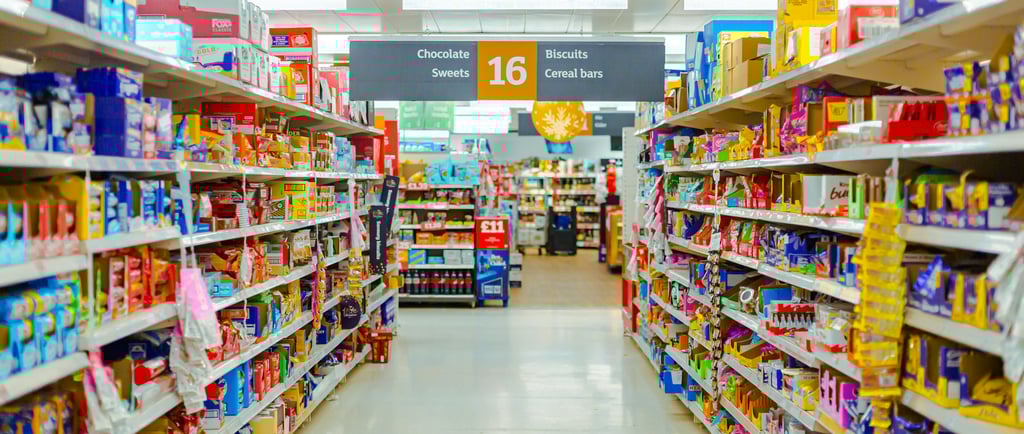
Ultra-processed foods (UPFs) have become a dominant part of modern diets. Convenient, cheap, and heavily marketed, they often crowd out foods that genuinely nourish our bodies. If you’re feeling low in energy, struggling with digestion, cravings, or weight changes, reducing UPFs can be a powerful and positive step towards better health.
This article explores what ultra-processed foods are, why they can be problematic for your health (especially gut health), how to spot them, and—most importantly—how to reduce them in a realistic, sustainable way.
What Are Ultra-Processed Foods?
Ultra-processed foods are industrially produced, packaged foods made mostly from substances extracted from foods (such as oils, starches, sugars, and proteins) or synthesised in laboratories. They typically contain little to no whole food and are designed to be hyper-palatable, shelf-stable, and convenient. They usually have long lists of ingredients (most of which are unpronounceable and not found in a domestic kitchen).
Not all processed foods are bad. Minimally processed foods such as frozen vegetables, plain yoghurt, canned beans, and bread made with simple ingredients are convenient and can all be part of a healthy diet. The issue lies with ultra-processing.
Watch out for the Marketing Claims
Packaging that shouts “high protein”, “low fat”, or “healthy” can be misleading. Many UPFs are marketed as health foods despite being highly refined. Protein snack bars, plant-based alternatives, and many foods aimed specifically at children often fall into the UPF category.
If a product needs extensive marketing to convince you it’s healthy, it’s worth looking closely at the ingredients.
How Ultra-Processed Foods Can Harm Health
1. Low Nutrient Density
UPFs are typically high in calories but low in essential nutrients like fibre, vitamins, minerals, and phytonutrients. This means you can eat plenty of calories without truly nourishing your body, which can contribute to fatigue, cravings, and overeating.
Because they are often stripped of their natural structure, UPFs are digested quickly, leading to blood sugar spikes and crashes that affect energy, mood, and hunger levels.
2. Impact on Gut Health
Your gut lining plays a vital role in digestion, immunity, and inflammation control. Diets high in ultra-processed foods have been associated with changes in the gut microbiome -the diverse community of bacteria that supports gut and overall health.
Common features of UPFs that may negatively affect the gut include:
· Low fibre content, which starves beneficial gut bacteria.
· Additives such as emulsifiers and artificial sweeteners, which have been shown to disrupt the gut lining and microbiome balance.
· Excess refined sugars and unhealthy fats, which can promote inflammation. Over time, this can contribute to digestive discomfort, increased gut permeability, and systemic inflammation.
3. Overeating and Loss of Appetite Regulation
Ultra-processed foods are engineered to be hard to stop eating. Their combination of refined carbohydrates, fats, salt, and flavour enhancers can override natural hunger and fullness signals.
They are typically calorie-dense and nutrient poor. Your body is hard-wired to keep you alive, so when your nutrient needs are not being met it triggers cravings, which leads to overeating.
How to Reduce Ultra-Processed Foods in Your Diet
Reducing UPFs doesn’t mean cooking everything from scratch or never eating convenience foods again. If you shop carefully, you can find better options for most things. The Yuka app is really helpful here. It highlights ingredients that you might want to avoid and suggests healthier alternatives.
1. Crowding Out
When you eat more whole and minimally processed foods, you automatically reduced your consumption of UPFs.
2. Simplify Meals
Healthy meals don’t need to be complicated. If half of your plate is vegetables and you’ve included a protein source (eggs, beans, lentils, chicken), something wholegrain (quinoa, brown rice, wholemeal pasta), plus some healthy fats (avocado, olive oil, nuts, seeds), you’re off to a great start.
3. Substitute
Where convenience is important, look for better alternatives. Swap sugary cereals for oats or unsweetened cereals. Choose plain yoghurt and add fruit. Opt for minimally processed foods with short ingredient lists.
4. Cook Once, Eat Twice
Batch cooking can dramatically reduce dependence on UPFs. Cooking a large pot of soup, chili, or a tray of roasted vegetables once or twice a week provides easy, nourishing meals with minimal effort.
How to Spot Ultra-Processed Foods
Learning to identify UPFs is a key step in reducing them. One thing that may surprise you is that there can be huge differences within the same category of food. When you start reading the labels of things like yogurt, sliced bread, peanut butter, cream, and sauces, you’ll find that some contain lots of additives while others are fine. Read the ingredient list. If there are more than 5–7 ingredients, be cautious. Ingredients you wouldn’t use at home? It’s probably ultra-processed.
Common red flags include:
Emulsifiers –
Carboxymethylcellulose (E466)
Carrageenan (E407)
Xanthan gum (E415)
Guar gum (E412)
Mono- and Diglycerides of Fatty Acids (E471)
Polysorbate 80 (E433)
Artificial sweeteners –
Aspartame
Sucralose
Sugar alcohols (e.g. sorbitol, xylitol, maltitol) – can cause bloating and diarrhoea in sensitive guts
Other indicators that you’re in UPF territory -
Monosodium glutamate
Modified starches
Hydrogenated oils
When you reduce ultra-processed foods, you support your body with foods that nourish, satisfy, and support gut health. Over time, you’ll notice improved energy, digestion, appetite regulation, and a more positive relationship with food.
If reducing ultra-processed foods feels overwhelming, you don’t have to do it alone. I support clients to make realistic, sustainable changes that fit their life, family, and health goals. If you’d like personalised support, get in touch to find out how we could work together.
Louise Chamberlain Nutrition © 2025. All rights reserved.