Nutrition and IBD: a dietary approach to IBD management
Nutrition is an important element in IBD management. It's time to bust the myth that diet doesn't matter.
IBD
Louise Chamberlain Nutrition
6/26/20263 min read
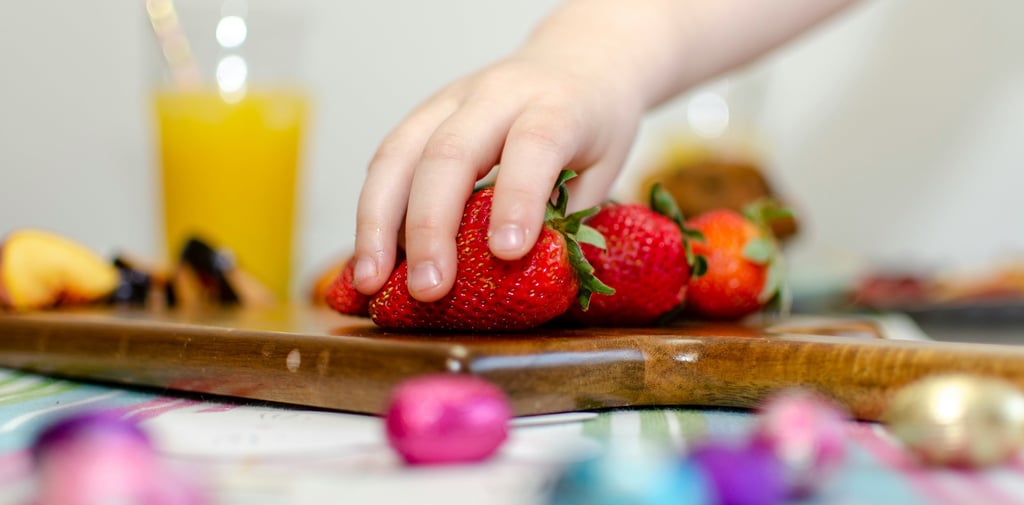

For many years, people living with Inflammatory Bowel Disease (IBD) were told, "Diet doesn't cause IBD, so diet doesn't matter." However, recent research has changed our understanding of the relationship between nutrition and gut health dramatically.
Today, well-informed gastroenterologists understand that nutrition is an important part of managing IBD. Food is not a cure, and medication remains necessary for many people, but what we eat can influence the health of our gut microbiome, our immune system and, ultimately, our overall wellbeing.
A changing understanding of diet and IBD
IBD is a complex condition influenced by genetics, the immune system and environmental factors. One of those environmental factors is diet.
Research has shown that the foods we eat shape the trillions of bacteria living in our digestive tract, collectively known as the gut microbiome. These microbes play an important role in maintaining the gut lining, producing beneficial compounds and helping regulate the immune system.
When the microbiome becomes less diverse and beneficial bacteria are replaced by less favourable species, this may contribute to inflammation. While scientists are still unravelling exactly how this happens, there is increasing evidence that dietary choices can either support or hinder a healthy gut environment.
Feed your gut, not just yourself
One of the key messages from scientific research is that we should think about feeding our gut bacteria as well as ourselves.
The beneficial bacteria in our large intestine thrive on dietary fibre found in plant foods. As they ferment this fibre, they produce short-chain fatty acids, including butyrate, which provides fuel for the cells lining the colon and has anti-inflammatory properties.
For many years, people with IBD were advised to avoid fibre altogether and follow a “low-residue” diet. We now know that this was awful advice. While a temporary low-fibre diet may be appropriate during a flare-up or if someone has intestinal strictures, avoiding fibre long-term deprives the gut microbiome of the nourishment it needs.
For those in remission, gradually increasing fibre-rich foods helps support a healthier gut ecosystem. It can be helpful to have the support of a nutrition professional experienced with IBD while you do this.
Variety is just as important as quantity
Rather than focusing on individual "superfoods", aim to eat a wide variety of plant foods.
A simple target is to aim for around 30 different plant foods each week. This includes:
vegetables
fruit
wholegrains
beans and lentils
nuts
seeds
herbs
spices
The greater the variety of plants we eat, the more diverse our gut microbiome tends to become. A diverse microbiome has been associated with better gut health and may help build resilience within the digestive system.
Reduce ultra-processed foods
Another important aspect of the nutritional therapy approach is reducing ultra-processed foods.
Many ultra-processed foods contain ingredients such as emulsifiers, artificial additives, refined sugars and highly processed fats. Emerging research suggests that some of these ingredients negatively affect the gut microbiome and the protective mucus layer lining the intestine.
This doesn't mean every packaged food must be avoided. Rather, it means choosing whole or minimally processed foods more often and, if you do eat industrially produced foods, check the ingredients carefully and avoid the worst offending additives (listed here).
Plants can provide plenty of protein
One common concern is whether eating more plant foods means sacrificing protein.
In reality, beans, lentils, chickpeas, peas, nuts and seeds are all excellent sources of protein, alongside valuable fibre and other nutrients that animal foods don't provide.
This doesn't mean everyone with IBD needs to become vegetarian or vegan. Instead, it may simply mean including more plant proteins throughout the week while reducing your consumption of processed meats and red meat.
Nutrition complements medical treatment
IBD is a serious inflammatory condition and many people need medications to control inflammation and prevent complications. Dietary changes complement prescribed treatments.
A holistic approach might include:
taking medications as prescribed
eating a predominantly whole-food, plant-rich diet
exercising regularly
managing stress
prioritising sleep
avoiding smoking
Together, these lifestyle factors help support both gut health and overall health.
There is no one-size-fits-all diet
Clients often ask what should they feed their child with IBD. The answer is not straightforward and a personalised approach is needed.
Foods that are well tolerated during remission may be difficult to digest during a flare. Some people have strictures that require temporary dietary modifications. Others may have nutrient deficiencies that need individual attention.
The goal is to enjoy the most varied and nourishing diet that your gut can comfortably tolerate at each stage of your condition. The key word here is "enjoy". I aim to eliminate the fear of food that many kids with IBD develop.
Working with a nutrition professional experienced in IBD management can help ensure dietary changes are both safe and practical.
The bottom line
Nutrition alone is not a cure for IBD, but it is far more than simply a way of managing symptoms.
The growing body of research suggests that the foods we eat influence the gut microbiome, immune function and intestinal health. While medication remains the cornerstone of treatment for many people, a diet rich in diverse plant foods and low in ultra-processed foods helps support long-term gut health and overall wellbeing.
If you're living with IBD, think of nutrition as one important tool in your toolkit. Healthful dietary choices can help create the best possible environment for your gut to thrive.
Louise Chamberlain Nutrition © 2025. All rights reserved.