
How to Feel Full For Longer
Foods that keep you satisfied until your next meal
NUTRITION
Louise Chamberlain Nutrition
1/22/20263 min read
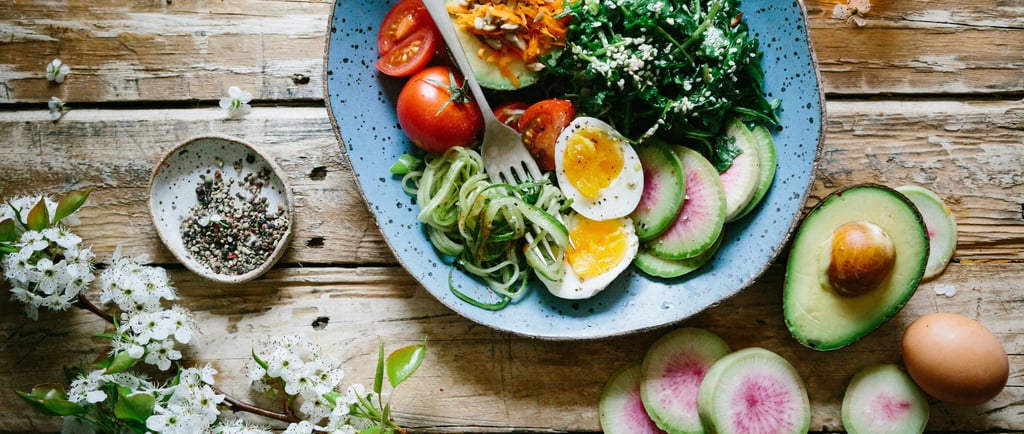
Have you ever eaten a meal, only to feel hungry again an hour later? You’re not alone. Feeling full isn’t just about how much you eat - it’s about what you eat and how your body responds to it.
Understanding satiety (the feeling of fullness and satisfaction after eating) can be a game-changer for energy levels, cravings, weight management, and overall wellbeing. The good news? You don’t need to count calories or follow strict food rules. You simply need to build meals that work with your biology.
Let’s explore which foods help you feel full longer - and how to use them in everyday life.
What Does “Feeling Full” Actually Mean?
Feeling full isn’t the same as feeling satisfied.
Fullness is the physical sensation of having eaten enough.
Satiety is how long that feeling lasts before hunger returns.
Satiety is influenced by digestion speed, blood sugar balance, gut hormones, and even how quickly you eat. When meals lack staying power, hunger (and often cravings) come back fast — leading to grazing, snacking, or feeling out of control around food.
2. Fibre: Fullness That Lasts
Fibre adds bulk to meals and slows digestion, which helps you feel fuller for longer. It also feeds beneficial gut bacteria — a key factor in appetite regulation and overall health.
High-fibre foods include:
Vegetables
Fruit
Whole grains
Pulses
Nuts and seeds
Most people don’t eat enough fibre, which can explain why they end up snacking.
Try building meals around plants first, then adding protein and fats.
The Most Filling Nutrients
1. Protein: The Satiety Superstar
Protein is consistently shown to be the most filling macronutrient. It slows digestion, supports muscle health, and helps regulate appetite hormones like ghrelin.
Including protein at meals can:
Reduce hunger between meals
Support stable energy levels
Help you feel satisfied with less food
Examples:
Eggs
Greek yogurt or skyr
Chicken and turkey
Lentils, beans, and chickpeas
Tofu, tempeh, and edamame
Aim to include a protein source at every meal, not just dinner.
3. Healthy Fats: Satisfying, Not the Enemy
Fat slows stomach emptying and enhances flavour, both of which increase satisfaction. While fat is calorie-dense, it plays an important role in feeling nourished and content after meals.
Examples:
Olive oil
Avocado
Nuts and seeds
Full-fat yogurt or cheese
Refined Carbohydrates: Quick Energy, Short-Lived Fullness
Refined carbs (white bread, pastries, sugary cereals, sweets) digest quickly and can cause blood sugar spikes followed by crashes, which often trigger hunger soon after eating. Most people over consume this group of foods. You can educe the impact that refined carbohydrates have on your blood sugar by pairing them with protein and fat, and eating them as part of a meal rather than alone as a snack.
Other Factors That Help You Feel Full Longer
Food Volume & Water Content
Foods with high water content (soups, stews, vegetables, fruit) increase meal volume without excessive calories, helping fullness signals kick in.
Eating Speed & Mindfulness
It takes around 20 minutes for fullness hormones to register. Eating slowly, chewing well, and sitting down to eat can make a noticeable difference.
Hydration
Mild dehydration can feel like hunger. Drinking regularly throughout the day supports appetite regulation.
How to Build a Satisfying Plate (Without Overthinking)
A simple formula:
½ plate vegetables or fruit
¼ plate protein
¼ plate whole grains or starchy veg
Add a source of healthy fat
Examples:
Greek yogurt + berries + nuts
Lentil and vegetable soup with olive oil
Chicken, roasted vegetables, and quinoa
Eggs with wholegrain toast and avocado
Feeling full longer isn’t about eating less; it’s about eating smarter. When meals are balanced and satisfying, cravings often soften, energy improves, and food decisions feel calmer and more intuitive. This approach supports not just weight management, it's also helpful for gut health, hormone balance, and long-term wellbeing, especially during midlife, busy family life, or periods of stress.
If you’re tired of feeling hungry all the time, it's not a willpower issue. It may simply be that your meals need better balance.
Louise Chamberlain Nutrition © 2025. All rights reserved.