Eat More Plants!
Eating more plants is one of the most powerful daily actions you can take for your health
NUTRITIONGUT HEALTH
Louise Chamberlain Nutrition
1/7/20264 min read
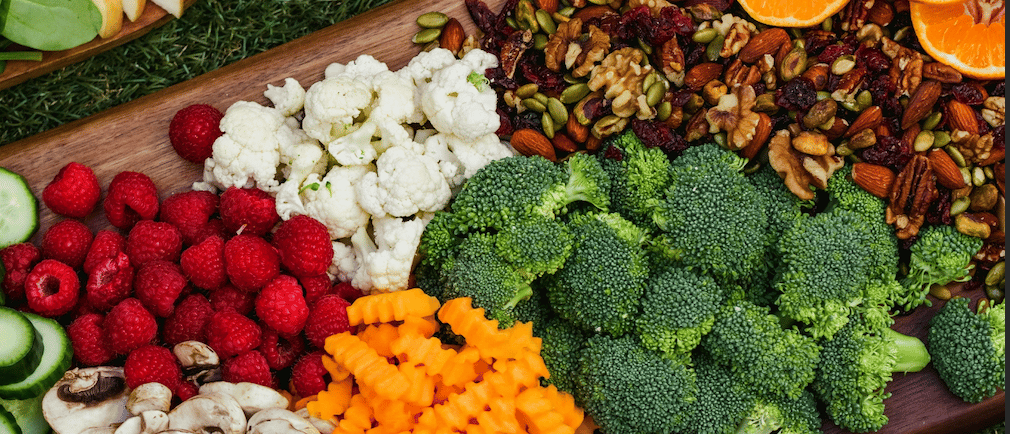

Eating more plants is one of the most powerful daily actions you can take for your health. Studies show that people who eat more vegetables, fruits, whole grains, legumes, nuts, and seeds are less likely to develop chronic diseases compared with those eating fewer plant foods.
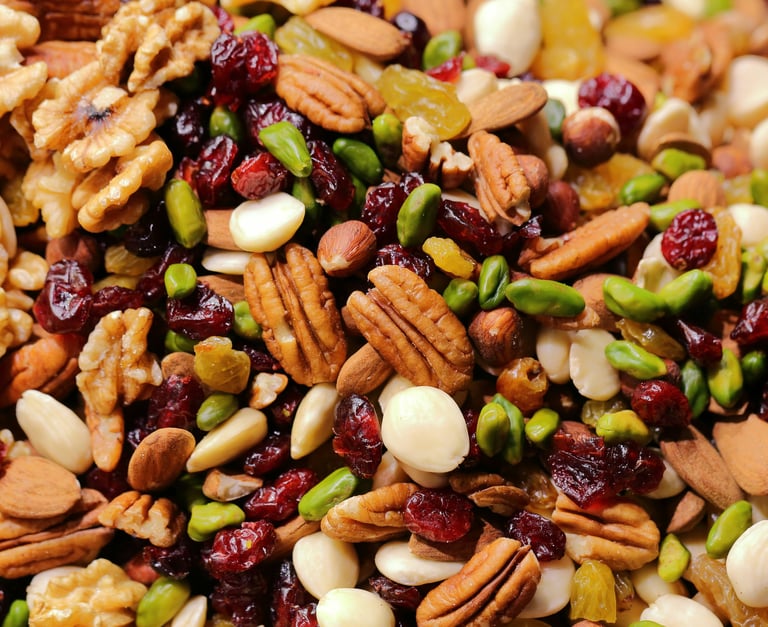
When we talk about “plants,” we’re not just talking about fruits and vegetables. Beans, lentils, chickpeas, whole grains, nuts, seeds, herbs, spices, and even things like olives and cacao (yep, dark chocolate!) count towards your plant points. Each of these brings a unique mix of fibre, vitamins, minerals, and protective compounds that support the body in different ways.
I encourage my clients to aim for at least 30 different plants a week. Research, including large-scale population studies, has shown that people who eat around 30 different plant foods per week tend to have a more diverse gut microbiome than those who eat fewer. Diversity matters more than sheer quantity. Eating the same vegetables every day is still healthy, but it doesn’t provide the same breadth of nourishment to your gut bacteria as eating a wide range of plants over the course of the week.
Plants have a dramatic impact on gut health. Your gut is home to trillions of bacteria that play a role not only in digestion, but also in immunity, inflammation, hormone balance, and even mood. These bacteria thrive on fibre and plant compounds—nutrients that are found almost exclusively in plant foods. The more varied your plant intake, the more diverse and resilient your gut microbiome becomes.
The number 30 isn’t set in stone but it’s a helpful, realistic target. It shifts the focus away from restriction and towards variety and it’s more achievable than it sounds.
For example:
Oats with chia seeds, blueberries, and almonds = 4 plants
Carrot and lentil soup made with lentils, carrots, onions, garlic, celery, tomatoes, and herbs = 7 plants
Grilled chicken, with roasted peppers, courgettes, red onions, olive oil, and quinoa = 5 plants
For women in midlife, eating more plants is particularly helpful. Fibre plays a role in hormone balance by supporting the elimination of excess hormones through the gut. Plant foods also provide magnesium, potassium, folate, and phytonutrients that support energy, mood, heart health, and bone health: areas that often need extra care during perimenopause and menopause.
You can see how variety adds up naturally without needing huge portions or complicated meals. From a practical point of view, eating more plants doesn’t need to be expensive or time-consuming. Frozen vegetables and jars of beans and lentils are cheap and widely available.
Eating more plants supports blood sugar balance. Fibre slows digestion and the release of glucose into the bloodstream, helping prevent energy crashes and cravings. This leads to steadier energy and better concentration. Pairing plants with protein and healthy fats increases the benefits, but even small improvements like adding extra vegetables to lunch or berries to breakfast can make a noticeable difference.
Another key benefit is inflammation support. Many plant foods contain antioxidants and polyphenols, which help the body manage oxidative stress and support natural repair processes. Chronic low-grade inflammation is linked to fatigue, joint discomfort, digestive issues, and many long-term health conditions. While no single food is a cure, a plant-rich, varied diet gently supports the body in moving towards better balance over time.
Variety is key, but enjoyment matters just as much. Plants don’t need to be bland or boring. Roasting vegetables brings out natural sweetness. Herbs and spices add depth and interest. Healthy fats like olive oil, nuts, and seeds improve flavour and satisfaction. Texture also plays a role—crunchy, creamy, soft, and chewy elements all help meals feel nourishing rather than restrictive.
If you’re not used to eating a lot of fibre, it’s important to start slowly. Increasing plant intake too quickly can cause bloating or discomfort, especially if digestion is sensitive. Build up gradually, chew well, drink enough water, and don’t be afraid to favour cooked vegetables over raw at first—they’re often easier to digest.
The 30 plants a week goal works because it encourages flexibility rather than perfection. You don’t need to hit 30 every single week to benefit. Some weeks you might reach it easily, others you might fall short, and that's OK. The most important thing is the direction you’re moving in. Small, consistent improvements over time lead to the best results.
This approach also supports a healthier mindset around food. Instead of focusing on what you “shouldn’t” eat, your attention shifts to nourishment and abundance. Many people find that as they increase the number of plants they eat, their consumption of ultra-processed foods naturally decreases. Crowding out the less healthy food choices with more nutritious options is a painless way to improve your diet.
Here are some simple ideas to get you started:
Replace some of the minced beef in a cottage pie, bolognese sauce, or chilli with lentils.
Add a jar of chickpeas, lentils, or beans to salads, soups, or pasta.
Add a sprinkle of chopped nuts and seeds to a meal
Throw a handful of spinach, rocket, or frozen veg into eggs, pasta, soups, or curries right at the end.
Stir grated carrot, courgette, or blended veg into sauces, pesto, hummus, or dips.
Add steamed cauliflower to mashed potatoes.
Over time, these small, consistent choices support gut health, energy, digestion, and long-term wellbeing in a way that feels empowering rather than overwhelming. Eating more plants isn’t about doing things “right”—it’s about giving your body a wider range of what it needs to thrive
Enjoyment Not Restriction
Louise Chamberlain Nutrition © 2025. All rights reserved.