
10 Evidence-Based Reasons to Eat More Fibre
Why getting enough fibre should be a priority if you want to optimise your health
NUTRITIONGUT HEALTH
Louise Chamberlain Nutrition
2/10/20264 min read


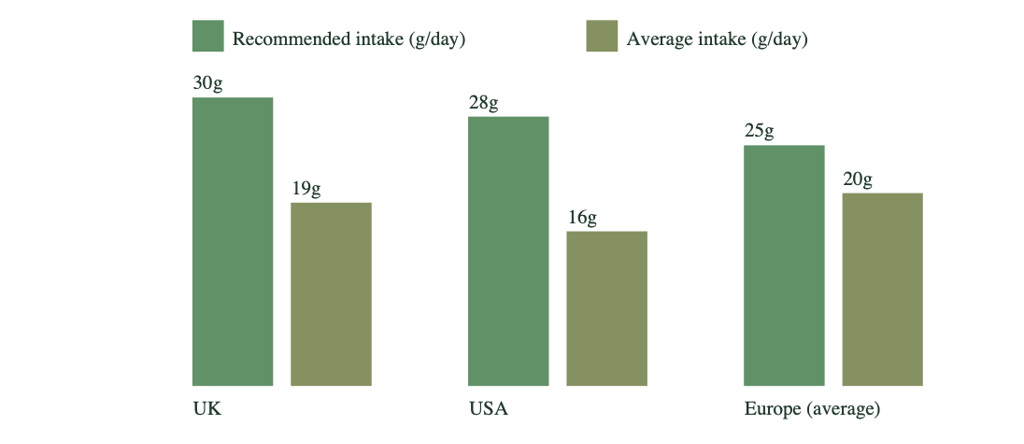
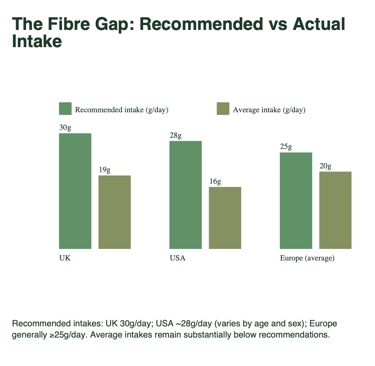
Fibre is an essential part of a healthy diet. It plays a central role in digestive health and is strongly linked to a lower risk of several chronic diseases. Yet most adults in the UK, USA and Europe do not meet the recommended intake of 30 grams per day (which is already a low target).
Fibre is found in plant foods such as vegetables, fruit, wholegrains, pulses, nuts and seeds. It is not digested in the small intestine. Instead, it travels to the large intestine, where it performs a number of important functions.
Here are ten scientifically supported reasons to prioritise fibre.
1. Supports Regular Bowel Function
Fibre increases stool bulk and helps stools retain water, making them softer and easier to pass. This reduces the risk of constipation. Wholegrain and cereal fibres in particular have been shown to improve stool frequency and consistency.
2. Reduces the Risk of Cardiovascular Disease
High fibre intake is consistently associated with a lower risk of heart disease and stroke. Soluble fibre helps to lower LDL (“bad”) cholesterol by binding bile acids in the gut, leading to increased cholesterol excretion. Large meta-analyses show that higher fibre intake is linked to significant reductions in cardiovascular risk.
3. Improves Blood Glucose Control
Soluble fibre slows gastric emptying and the absorption of carbohydrates, resulting in a more gradual rise in blood glucose levels after meals. Diets high in fibre are associated with improved glycaemic control and a lower risk of developing type 2 diabetes.
4. Supports a Healthy Gut Microbiome
Certain fibres act as prebiotics, meaning they are fermented by beneficial gut bacteria. This fermentation produces short-chain fatty acids such as butyrate, which support the health of the cells lining the colon. A diverse and well-nourished microbiome is associated with better metabolic and digestive health.
5. Strengthens Immune Function
Around 70% of immune cells live in the gut. Short-chain fatty acids produced during fibre fermentation help regulate immune responses and maintain the integrity of the gut barrier. While fibre does not prevent colds, a fibre-rich diet supports the underlying systems involved in immune defence.
6. Helps Maintain a Healthy Weight
Fibre-rich foods tend to be more filling and require more chewing, which can increase satiety. They also slow digestion, helping you feel satisfied for longer. Observational studies consistently link higher fibre intake with lower body weight and reduced risk of obesity.
7. Lowers the Risk of Colorectal Cancer
Strong evidence shows that higher intake of dietary fibre is associated with a reduced risk of colorectal cancer. This is thought to be due to increased stool bulk, reduced transit time, and the protective effects of short-chain fatty acids produced in the colon.
8. Reduces the Risk of Type 2 Diabetes
People with higher fibre intakes - particularly cereal fibre - have a significantly lower risk of developing type 2 diabetes. Improved insulin sensitivity and better blood glucose regulation are likely contributing factors.
9. Associated with Lower Inflammation
Higher fibre intake is linked with lower circulating markers of systemic inflammation. Since chronic low-grade inflammation is associated with many long-term conditions, this may partly explain fibre’s protective effects.
10. Linked to Greater Longevity
If you want to live longer, eat more fibre! Large population studies show that people who consume more fibre have a lower risk of all-cause mortality. In other words, higher fibre intake is associated with living longer and with a lower risk of dying from cardiovascular disease, infectious disease and certain cancers.
How Much Fibre Do You Need?
UK adults are advised to consume 30 grams of fibre per day, yet average intake is closer to 18–20 grams. In the USA, actual average intake among US adults is about 15–16 grams per day, roughly half of the recommended level. This pattern - recommended intakes in the mid-20s to 30s gram range with actual consumption significantly lower - is typical across many high-income countries.
Increasing Your Fibre Intake Safely
If your current intake is low, increase fibre gradually over one to two weeks rather than making a sudden jump. A rapid increase can lead to bloating, wind or abdominal discomfort as your gut bacteria adapt. Drinking adequate fluids - ideally water - is also important, as fibre absorbs water and helps form soft, bulky stools. Without sufficient fluid, increasing fibre may worsen constipation rather than improve it.
As a guide, aim to increase by around 3-5 grams per day at a time, allowing your digestive system to adjust.
Practical Ways to Increase Fibre
Small, consistent swaps are often more sustainable than a complete dietary overhaul. For example:
Choose wholegrain versions of bread, rice and pasta. Wholemeal bread contains around 6–8 grams of fibre per 100 grams, compared with around 2–3 grams in white bread.
Add beans, lentils or chickpeas to soups, stews and salads. Just half a tin (about 120 grams drained) can provide 4–6 grams of fibre.
Include vegetables at both lunch and dinner. Adding an extra handful of vegetables can increase daily intake by 2–3 grams.
Snack on fruit, nuts or seeds. A medium-sized apple provides around 3–4 grams of fibre, and a small handful of almonds provides about 2–3 grams.
Leave edible skins on fruits and vegetables, such as potatoes, carrots and apples, as much of the fibre is found in or just beneath the skin.
Aim for variety. Different plant foods contain different types of fibre, which support a more diverse gut microbiome.
Reaching 30 grams per day is far more achievable when fibre is spread across meals and snacks rather than added all at once.
The key is not perfection, but progression. Increasing plant variety and making steady, manageable changes can meaningfully improve health over time. Your gut will thank you for it.
Louise Chamberlain Nutrition © 2025. All rights reserved.